Prompt Engineering
What is Prompt Engineering and Why Every HR Pro Needs It
Prompt engineering is the difference between generic AI output and HR-ready work you can actually ship.
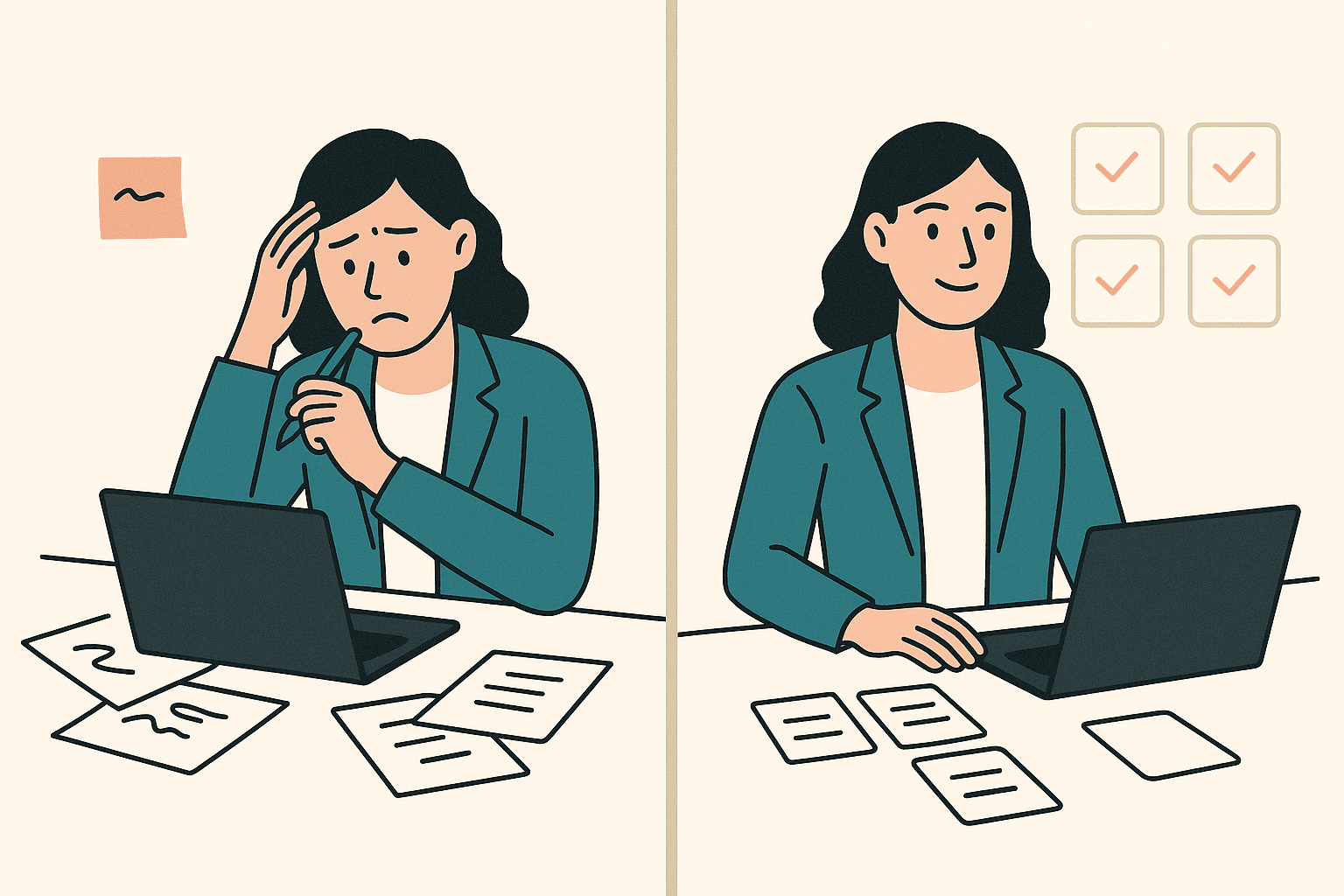
The difference between asking AI and engineering a prompt is often the difference between rework and ready-to-use output.
Opening Hook
You've probably asked ChatGPT or Copilot to help with something at work. Maybe you typed, "write me a job description," and got something generic.
So you tried again. And again. Tweaking words and hoping the output would finally fit your company.
Here's the core truth: the AI is rarely the bottleneck. The prompt is.
1. What Prompt Engineering Actually Is
Prompt engineering is the practice of designing and refining instructions so AI produces more accurate, useful, and practical output.
Think of AI like a brilliant intern: highly capable, but dependent on precise direction. Better structure in means better quality out.
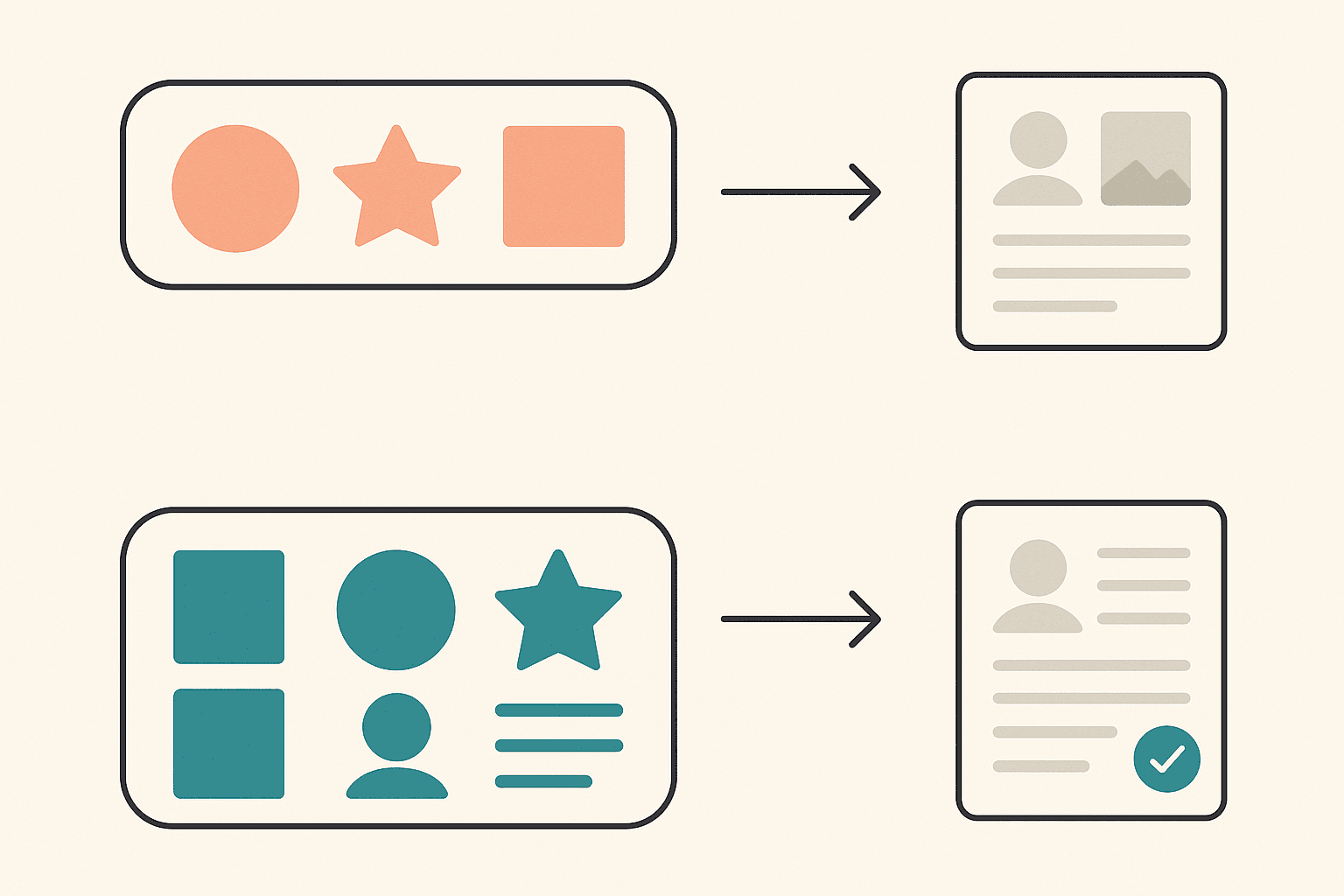
For HR teams, this is a communication skill, not a coding skill. You can apply it to job descriptions, onboarding plans, performance reviews, and policy drafts today.
2. Why HR Teams Can't Ignore This
Stat That Matters
- AI skills demand in HR job postings grew 66% year-over-year.
- SHRM lists prompt engineering among the top AI skills HR leaders need in 2026.
- Josh Bersin framed 2026 as the start of “the great reinvention of HR”.
AI fluency is shifting from "nice to have" to baseline HR competency. Teams are already using AI for recruiting, onboarding, communications, policy writing, and analysis.
The gap is training. Most HR professionals have access to AI tools but haven't been taught how to guide them effectively.
3. The HR Prompt Problem (Real Example)
What most HR pros type
"Write me a job description for an admin assistant"
Result: generic content that could fit almost any company.
What engineered prompts look like
You are an HR professional at a 150-person SaaS startup.
Write a job description for an Executive Admin Assistant.
Include responsibilities, required qualifications, tone, and structure.
Result: tailored, ready-to-post output that reflects real context.
4. The 4 Elements Every HR Prompt Needs
1. Context
Tell the AI who you are, your company profile, and where the output will be used.
Bad
Write a policy
Better
You are an HR manager at a 200-person remote-first tech company. Write a flexible PTO policy.
2. Task
Be specific about exactly what you want the AI to deliver.
Bad
Help with recruiting
Better
Create 5 behavioral interview questions for a Customer Success Manager role.
3. Format
Define the output structure so you can use it immediately.
Bad
Give me onboarding info
Better
Create a 30-60-90 day onboarding plan as a table with goals and success metrics.
4. Constraints
Set boundaries such as tone, length, reading level, and compliance requirements.
Bad
Write an email
Better
Draft a 150-word policy email in a warm but professional tone for all employees.
5. Where Prompt Engineering Saves Hours in HR
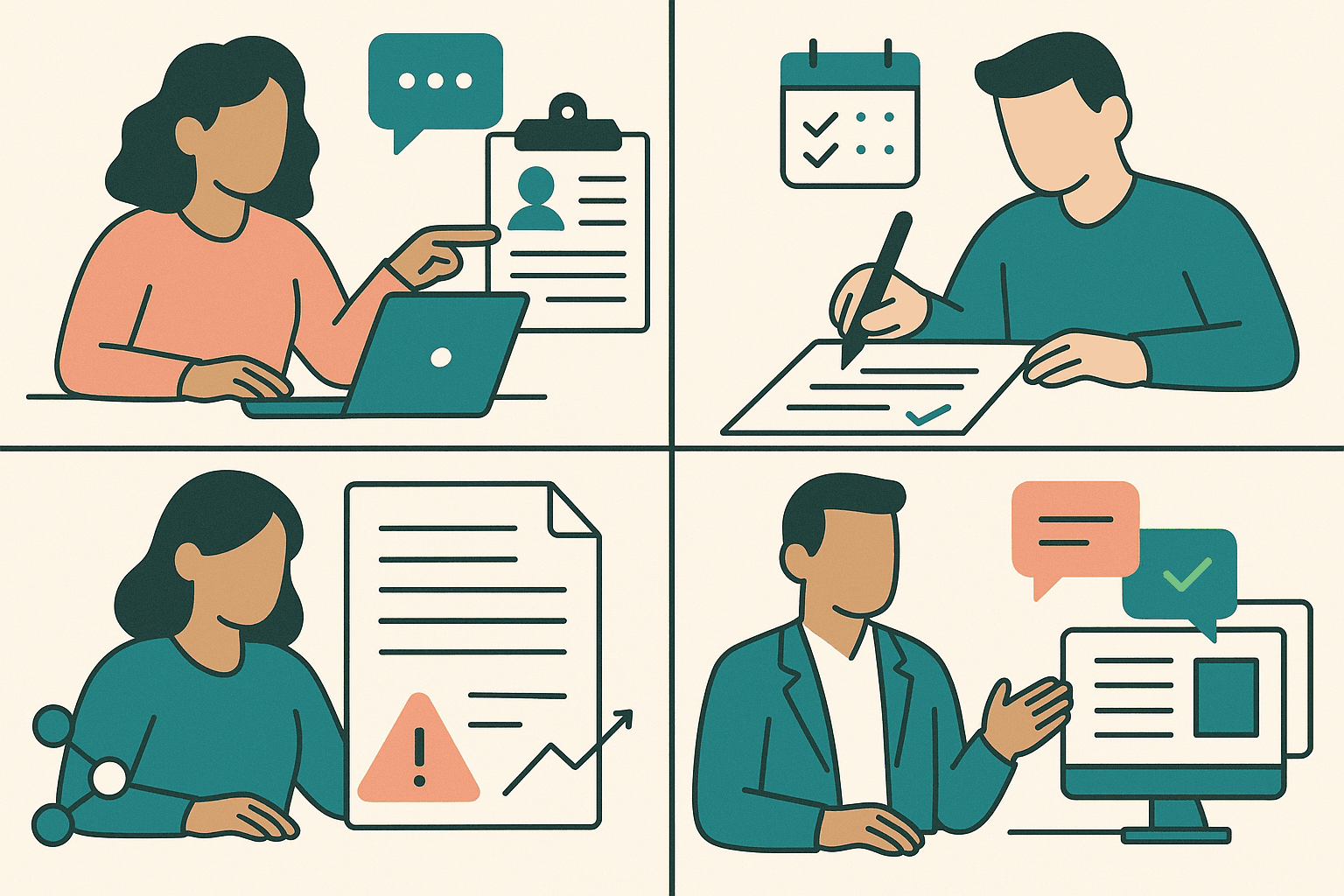
Recruiting
Engineer prompts with role context, competencies, and scoring guidance so interview outputs are actually usable.
Performance Management
Include employee context, achievements, growth areas, and review framework to avoid generic templates.
Policy Writing
Specify jurisdiction, company size, and legal constraints to reduce hallucinated or missing compliance details.
Employee Communication
Define audience, reading level, key messages, and tone to cut revision loops in org updates and benefit announcements.
6. The Catalyst4D Difference
Catalyst4D applies a structured 4-D methodology so HR teams don't have to master prompt engineering from scratch.
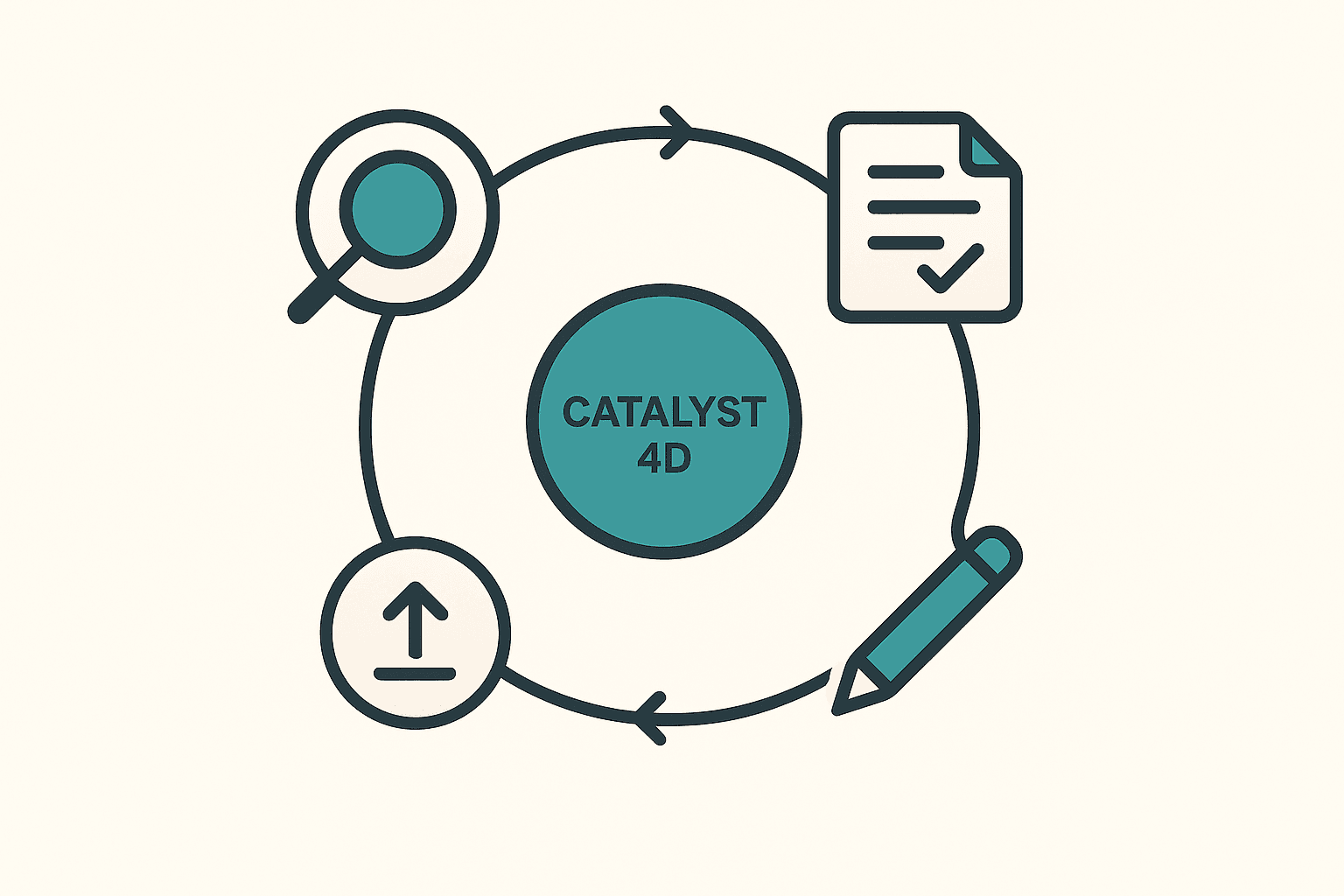
Discover: uncover the real problem.
Define: clarify context and requirements.
Design: engineer the optimal prompt structure.
Deploy: deliver the prompt and the result.
7. Getting Started Today
Add context: tell the AI who you are and what environment the output is for.
Be specific: replace vague requests with a concrete deliverable and required parts.
Request format: bullets, tables, word count, tone, and structure.
Iterate: treat your first prompt as a draft and refine from the output.
Conclusion
Prompt engineering sounds technical, but it's fundamentally the art of asking better questions with better structure.
The gap between average AI output and exceptional AI output is usually not the model. It's the prompt.
Ready to stop fighting with AI and start making it work for HR?
Try Catalyst4D on your next HR taskTester Mode Feedback
How useful was this article?
Quick tester input helps us prioritize edits before wider launch.